Introduction: Beyond the Single Sale Mindset
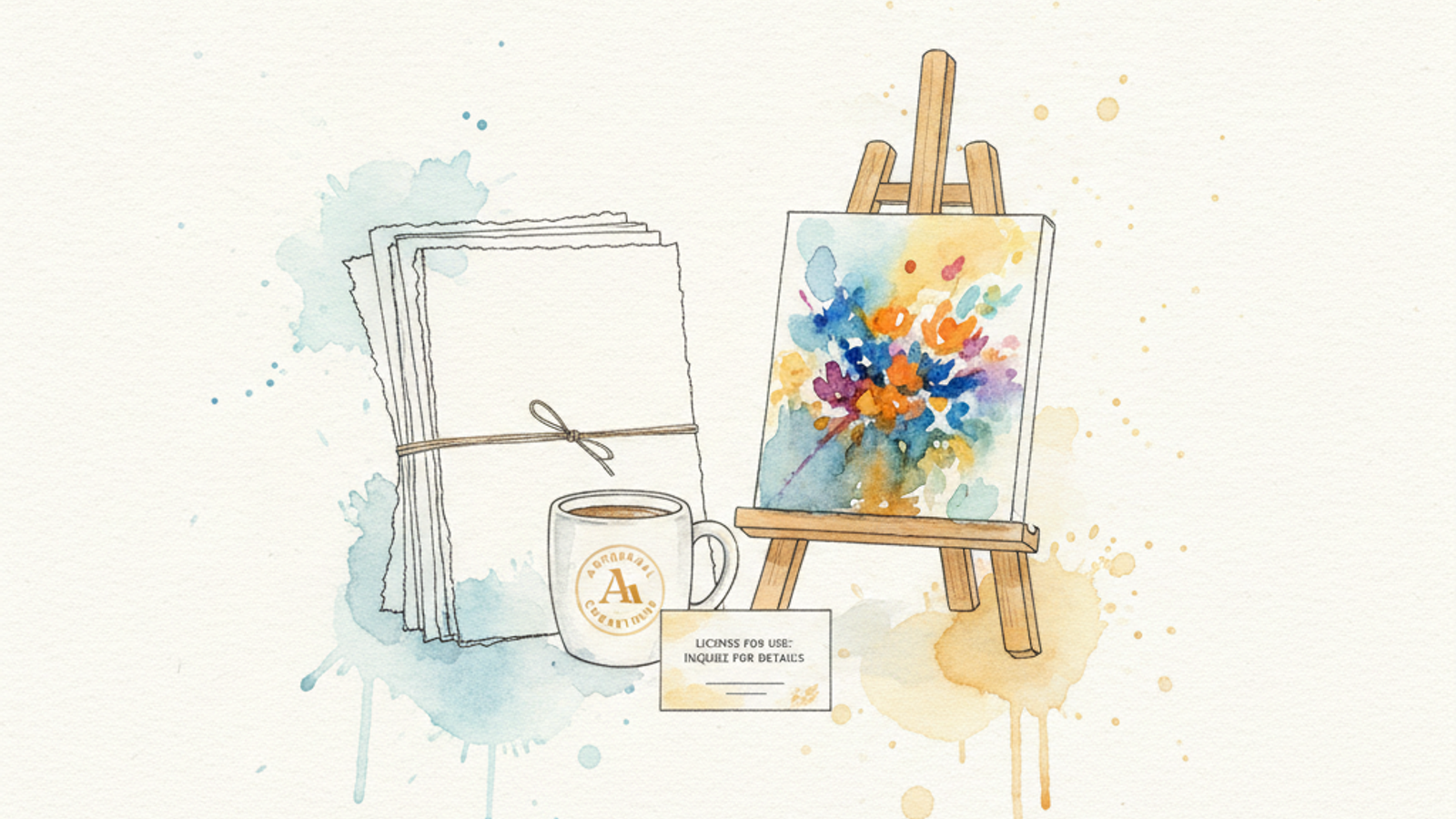
As an independent artist, your time is finite, but your creativity is not. The traditional model of creating a painting, selling it, and moving on to the next piece limits your earning potential. Imagine instead that every original artwork you produce isn't just a one-off transaction but a strategic asset, capable of generating revenue in multiple ways over its lifetime. This guide will break down how to convert one original painting into five distinct income streams, providing a robust, diversified financial foundation for your art business.
Today, on 2026-09-13, the tools and platforms available to artists make this multi-stream approach more accessible than ever. We're going to dive into specific tactics, real-world platforms, and actionable numbers so you can implement these strategies immediately. Stop chasing single sales and start building a sustainable, scalable art business.
Stream 1: The Anchor – Your Original Painting
The original painting itself is the cornerstone of your creative output and the first income stream. Its sale establishes the value of your work and provides initial capital. Before you even think about derivatives, ensure this piece is professionally photographed and cataloged. High-resolution images (300 DPI or higher) are non-negotiable for future print and licensing opportunities.
When pricing your original, consider factors like size, medium, complexity, your experience, and current market demand. A common method is pricing per square inch, ranging from $1 to $10+ depending on your reputation. For example, a 24"x36" painting priced at $5 per square inch would be $4,320. List your original prominently on your own gallery platform like OnlineGallery.com, and consider platforms like Saatchi Art for broader exposure. Clearly state dimensions, medium, and framing details, and offer transparent shipping information.
Stream 2: Elevate Exclusivity – Limited Edition Fine Art Prints
Limited edition prints offer a slice of exclusivity at a more accessible price point than the original. These are high-quality reproductions, typically Giclée prints on archival paper (e.g., Hahnemühle Photo Rag, Epson Hot Press Bright), signed and numbered by you, the artist. This scarcity drives demand and maintains value.
Determine an edition size (e.g., 25, 50, or 100 prints). A smaller edition size commands a higher price. Pricing for limited editions often starts at 20-40% of the original painting's value, adjusted for size. If your original sold for $4,000, a smaller limited edition print (e.g., 16"x20") might sell for $350-$600. Include a Certificate of Authenticity (COA) with each print. You can use specialized print services like The Printspace or local fine art printers for museum-quality results. List these on your OnlineGallery.com shop and target collectors who appreciate quality but may not afford an original.
Pro Tip: Consider offering limited editions in 2-3 different sizes to cater to varying budgets, ensuring each size has its own distinct, limited run.
Stream 3: Broaden Reach – Open Edition Prints & Digital Downloads
Open edition prints are unlimited reproductions, typically more affordable and widely available. These target a broader market looking for decorative art rather than collector's items. Think framed prints, canvas prints, metal prints, and posters. Use print-on-demand (POD) services to minimize upfront costs and handling.
Platforms like Fine Art America (Pixels.com), Society6, and Redbubble allow you to upload your artwork, and they handle printing, framing, shipping, and customer service. You set your markup (e.g., 20-30%), and they pay you a royalty on each sale. A 12"x16" poster print might sell for $25, yielding you $5-$8 in profit. For even broader accessibility, consider offering digital downloads of your art for personal use (e.g., desktop backgrounds, printable art for home use) via Etsy or your own website, priced at $5-$20. Ensure clear usage terms.
Stream 4: Everyday Art – Merchandise & Lifestyle Products
Extend your artwork's reach into everyday objects. This stream transforms your painting into functional and decorative merchandise that people use daily. Think phone cases, tote bags, mugs, throw pillows, notebooks, and t-shirts. These items introduce your art to a new audience who might not typically buy an original painting or print but love to incorporate art into their lifestyle.
Again, print-on-demand services are your best friend here. Platforms like Printful and Printify (which integrate with Shopify or Etsy) or direct-to-consumer platforms like Society6 and Redbubble allow you to mock up dozens of products without holding any inventory. You upload your design, set your retail price, and the platform handles production and fulfillment. Your profit margin typically ranges from 10-25% per item. A phone case retailing for $28 might net you $4-$7. This stream is about volume and accessibility, turning your art into impulse purchases.
Stream 5: Passive Potential – Art Licensing
Art licensing is arguably the most scalable and passive income stream. This is where you grant another company permission to use your artwork on their products or for their marketing, typically in exchange for a royalty or a flat fee, without giving up your copyright.
Think of your artwork on greeting cards, jigsaw puzzles, fabric, calendars, home decor, book covers, or advertising campaigns. Royalty rates vary widely but commonly range from 5-15% of the wholesale price of the licensed product. Flat fees can range from a few hundred dollars for small, one-time uses to thousands for exclusive, long-term campaigns.
To get started, create a dedicated licensing portfolio on your OnlineGallery.com site, showcasing your artwork in a commercial context. Research companies (e.g., stationery brands, textile manufacturers) whose aesthetic aligns with yours and pitch directly. Alternatively, consider working with an art licensing agent (e.g., Lilla Rogers Studio) who can connect you with appropriate brands for a commission (typically 30-50% of your royalties). This stream requires persistence but offers significant long-term potential for existing work.
Putting It All Together: Strategic Marketing & Management
Generating these income streams is only half the battle; effectively marketing and managing them is crucial. Use your OnlineGallery.com platform as the central hub for all these offerings. Create clear sections for originals, limited editions, open prints, and links to your merchandise shops (e.g., Society6). For licensing, have a dedicated portfolio page or a contact form.
Cross-promote across all channels. When you post on social media (Instagram, Pinterest, Facebook), don't just promote the original; show how the same artwork looks on a mug, as a framed print, or highlight its potential for licensing. Use email marketing to inform your audience about new products or licensing deals. Track which streams are performing best for each artwork so you can double down on successful strategies.
This multi-stream approach isn't about more work; it's about smarter work. By strategically leveraging each original painting, you build a resilient and diverse income portfolio that supports your artistic career for the long haul.
Show Your Work to the World
A professional online gallery is the first thing buyers and licensing partners want to see. Build yours on OnlineGallery — free, no commission.
Create Your Gallery Free